Water leaves too quickly
Compacted ground, bare soil, roofs, roads, and slopes can turn useful precipitation into erosive runoff.
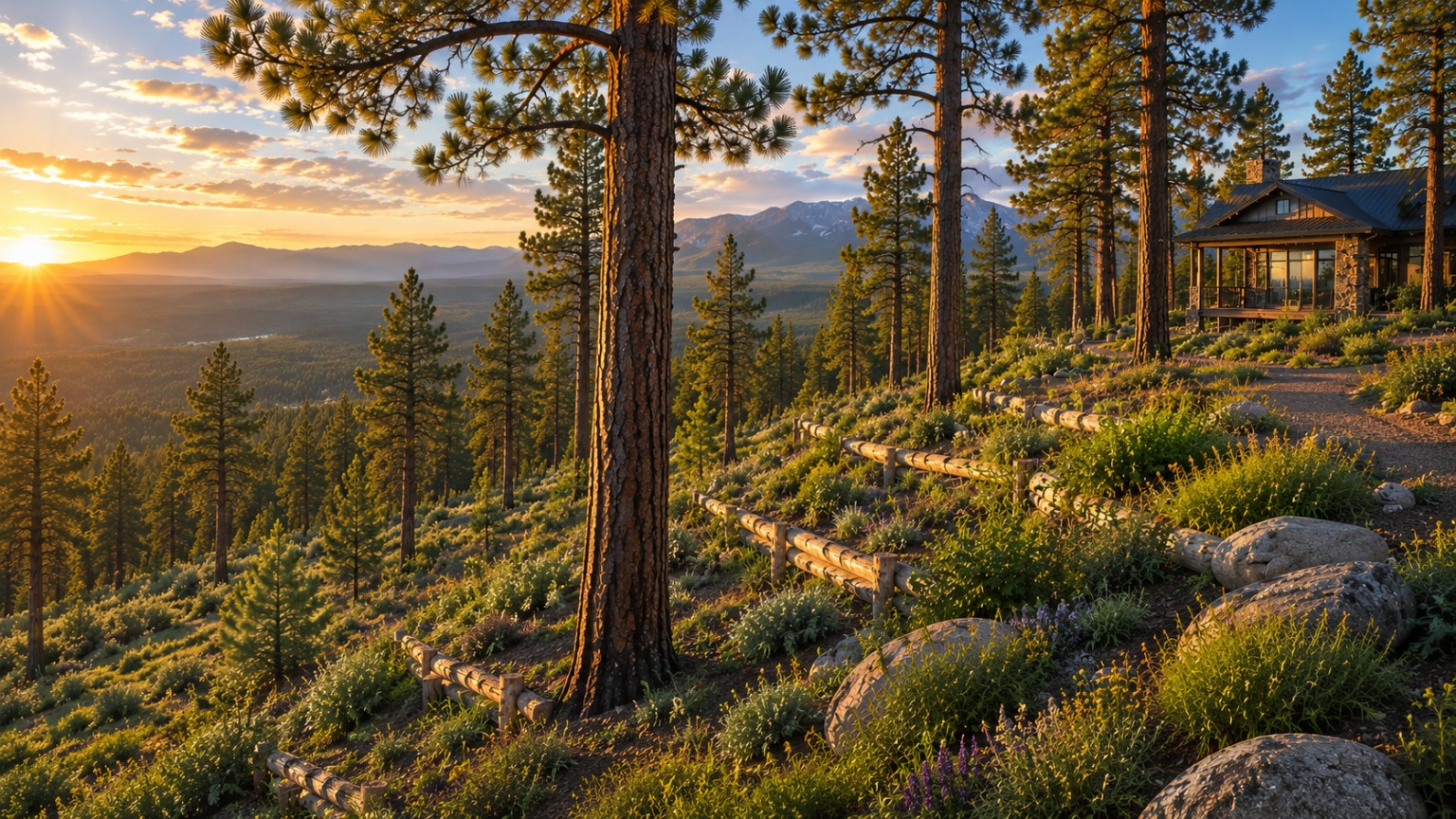
Mogollon Rim · White Mountains · Northern Arizona
Practical, hands-on stewardship that connects tree health, wildfire resilience, rainfall capture, erosion control, and future forest restoration into one property-wide plan.
A changing forest requires a different response
Across Northern Arizona, warmer and drier conditions, dense stands, declining soil cover, fast runoff, and elevated bark-beetle pressure can reinforce one another. A tree may look healthy until the accumulated stress becomes visible—and by then the options are narrower.
HHR reads the whole property: where water enters and leaves, which trees deserve priority, where fuels connect, how slopes are eroding, and what the land needs to remain functional over the next several decades.
Compacted ground, bare soil, roofs, roads, and slopes can turn useful precipitation into erosive runoff.
Dense groups intensify competition for moisture, nutrients, rooting space, and light.
Dead branches, tall grass, brush, and crowded understory can connect surface fire to tree crowns and structures.
Decline, beetle activity, gullying, and mortality often reflect stress that has accumulated over several seasons.
Five connected services
No single treatment stands alone. Thinning changes the water budget. Rainfall capture supports the retained trees. Ground cover protects infiltration. Restoration succeeds only when the site is prepared first.
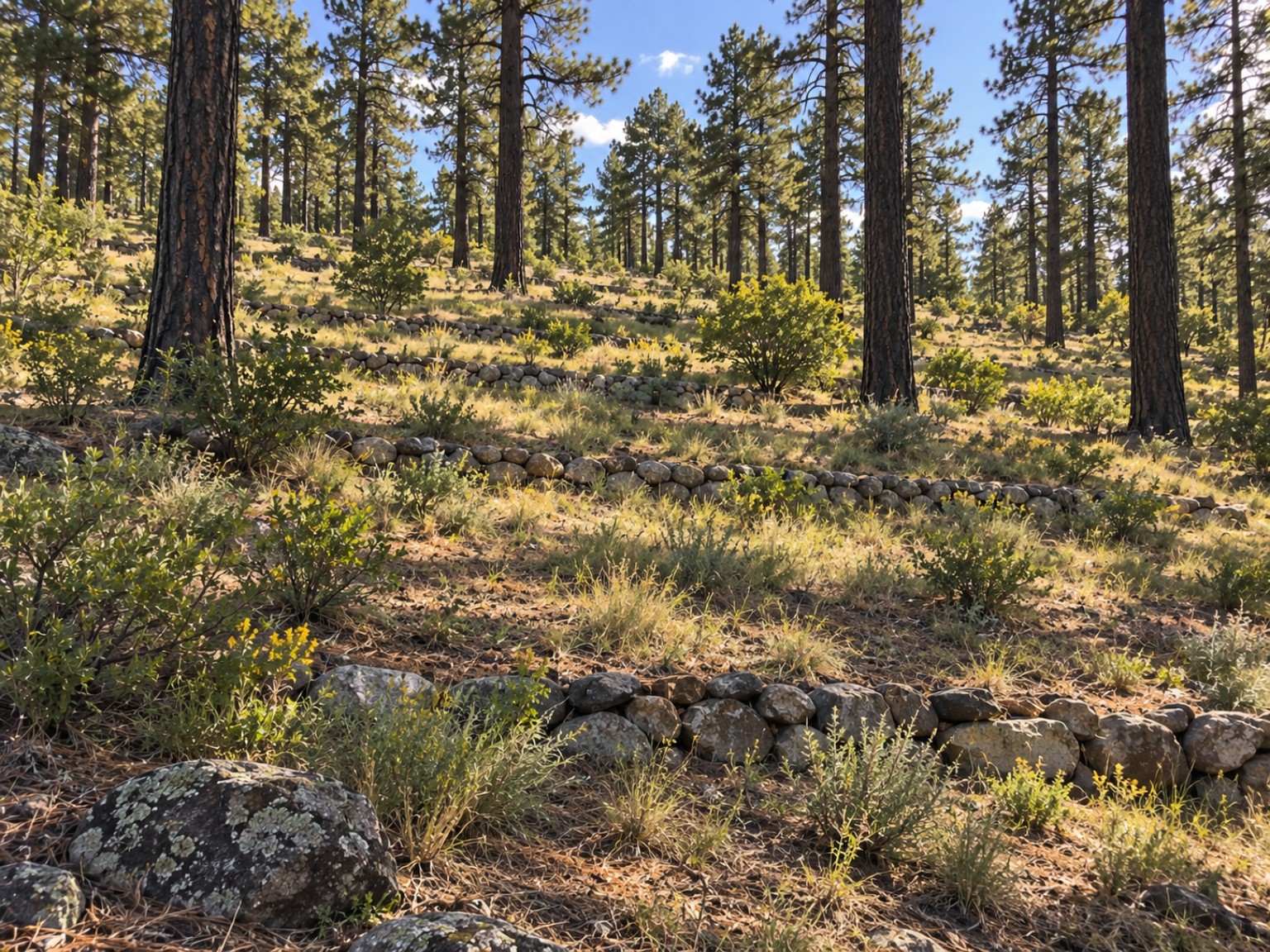
Priority-tree selection, stand-density planning, selective thinning, and long-term forest direction.
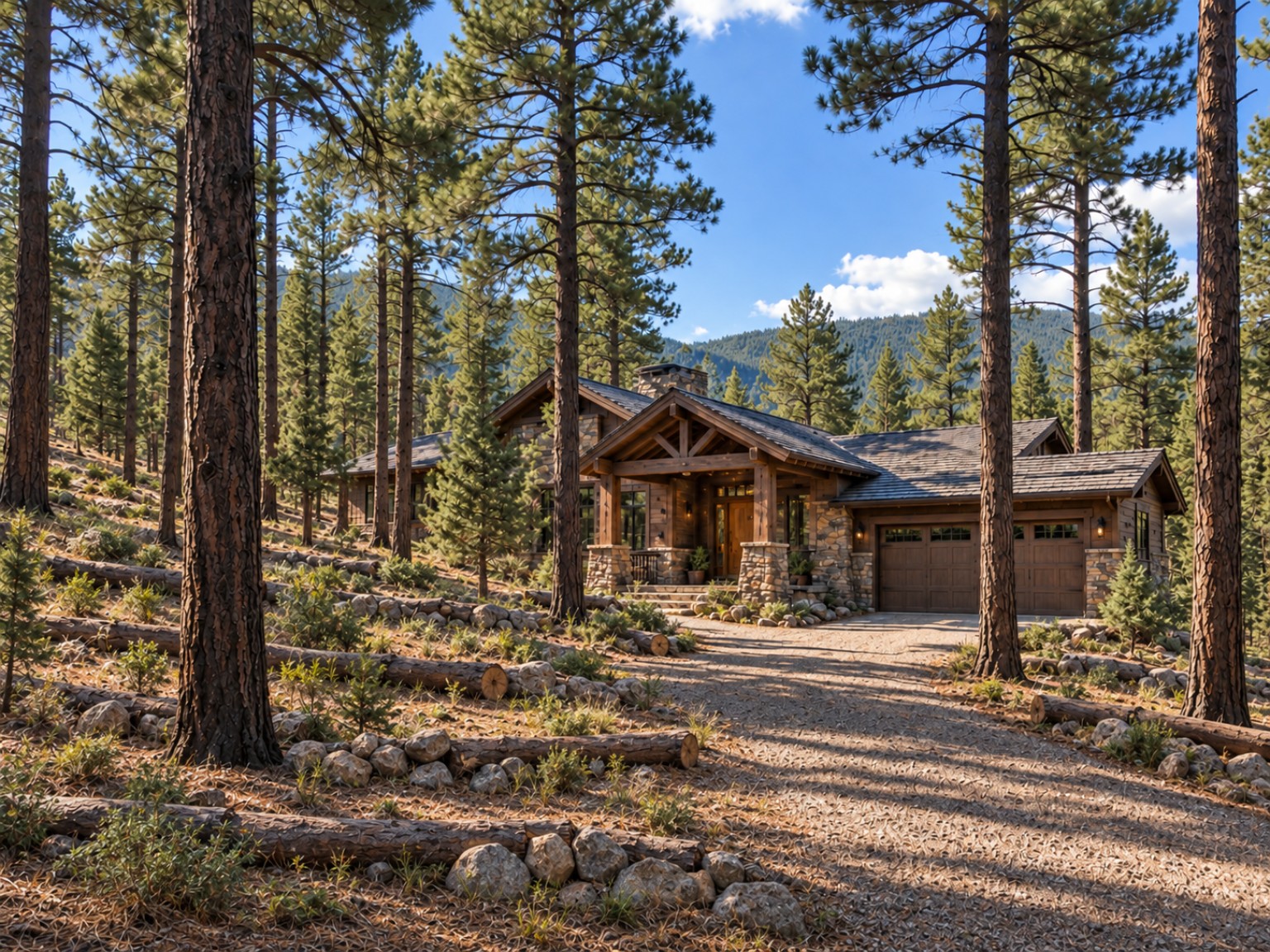
Defensible space, ladder-fuel reduction, and safer forest structure.
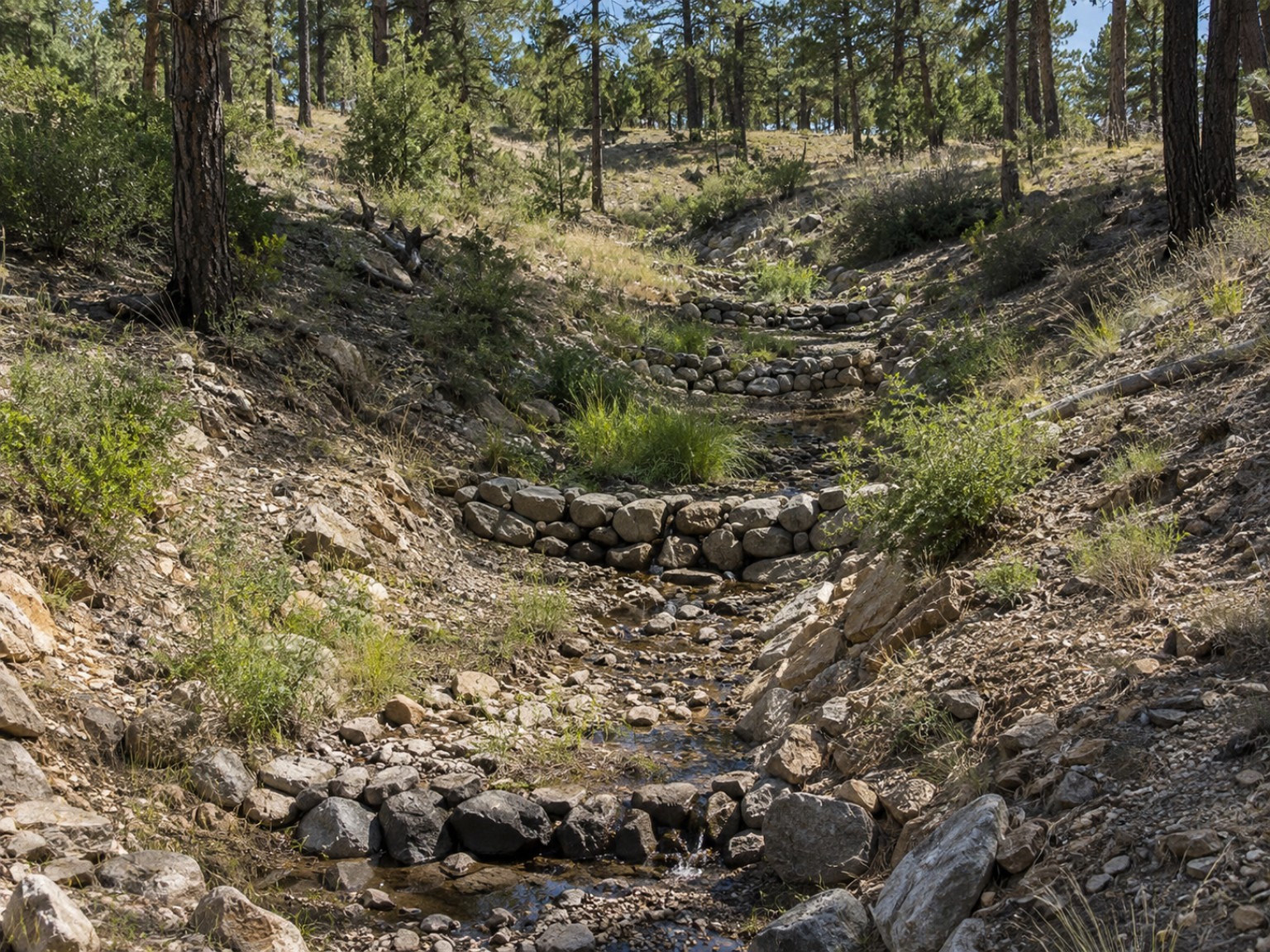
Slow concentrated flow, hold sediment, and protect slopes and access.
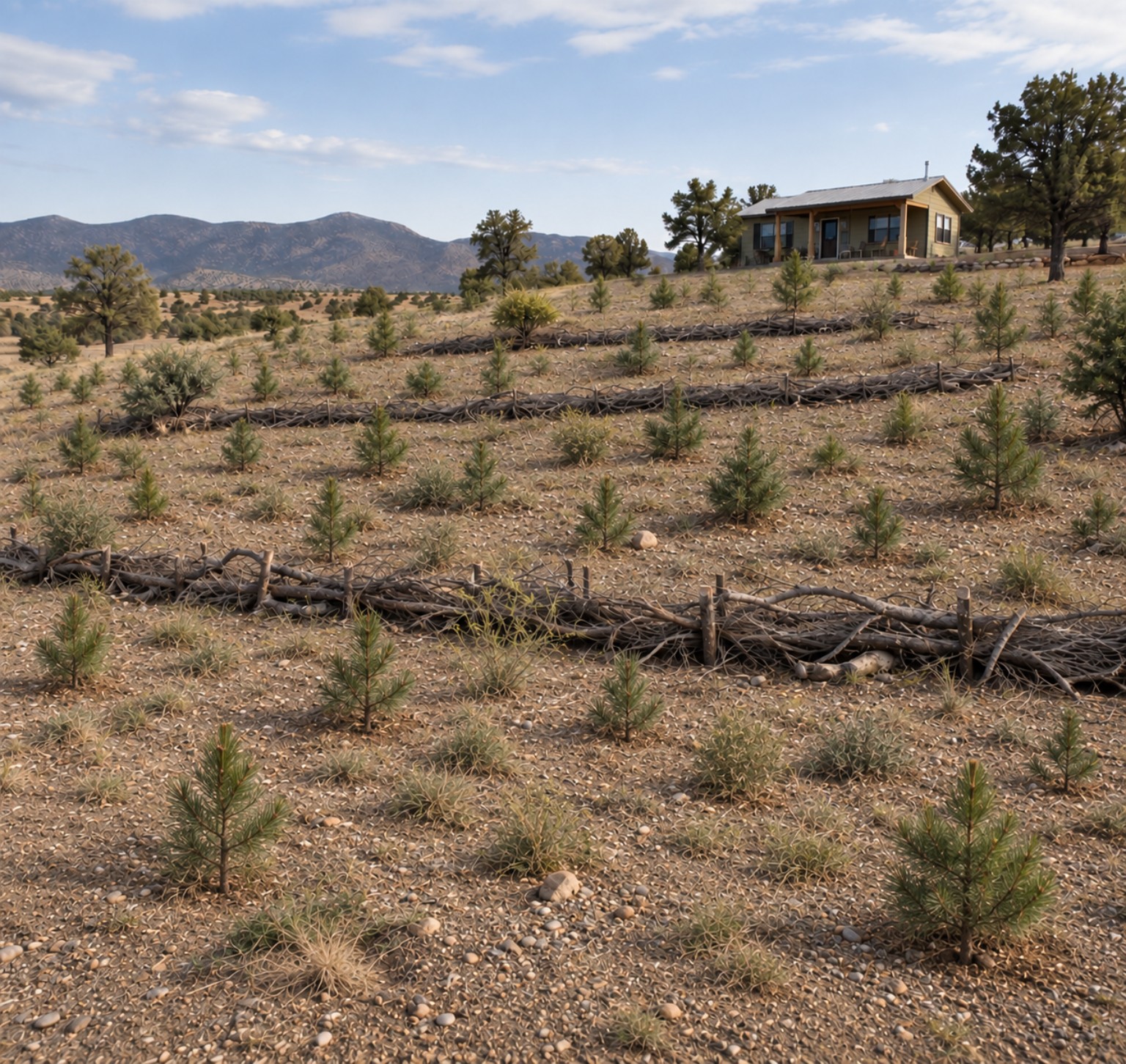
Prepare the ground and establish the next resilient generation.
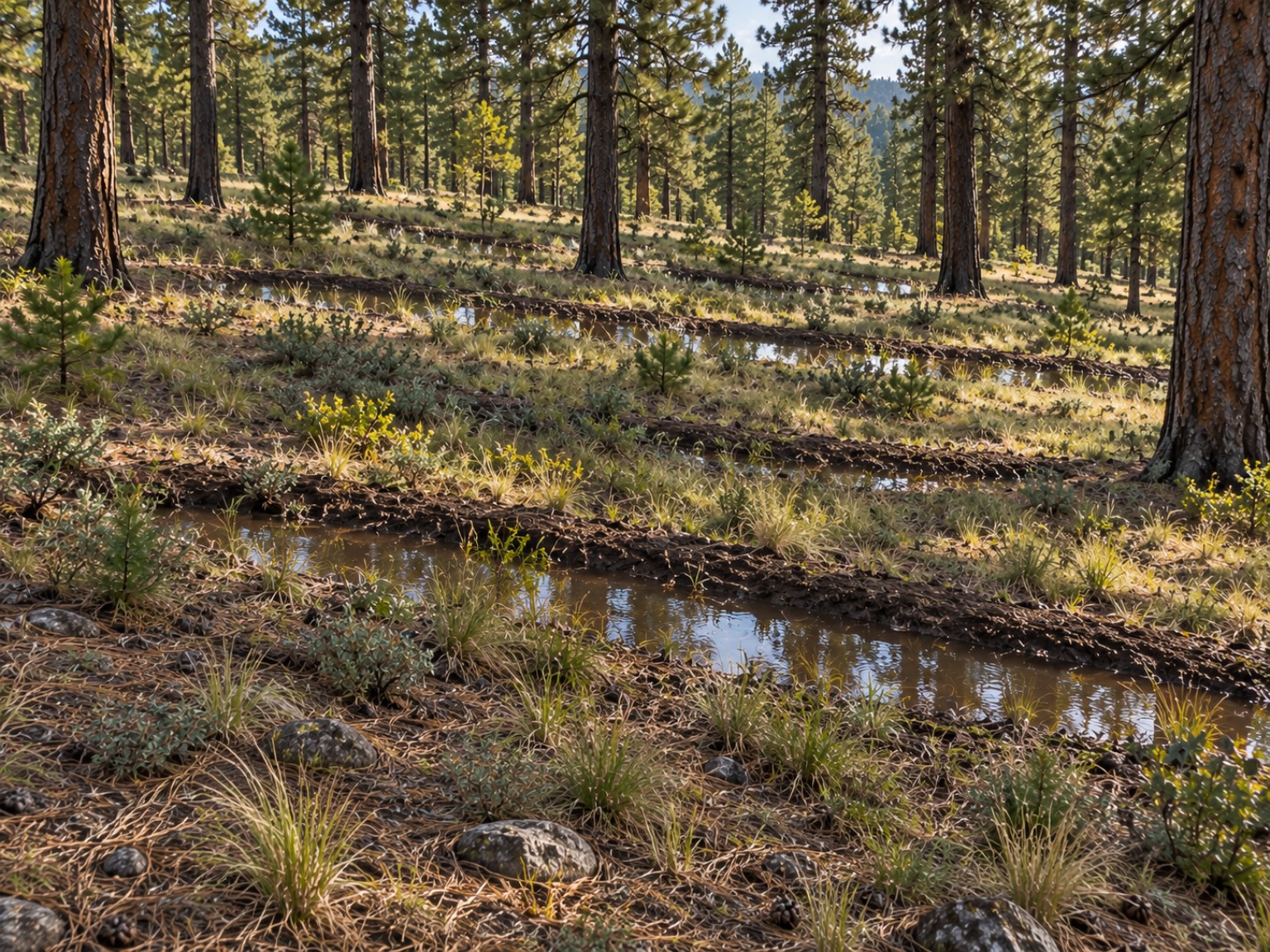
Capture, slow, spread, and sink more of the rain that already falls on the property.
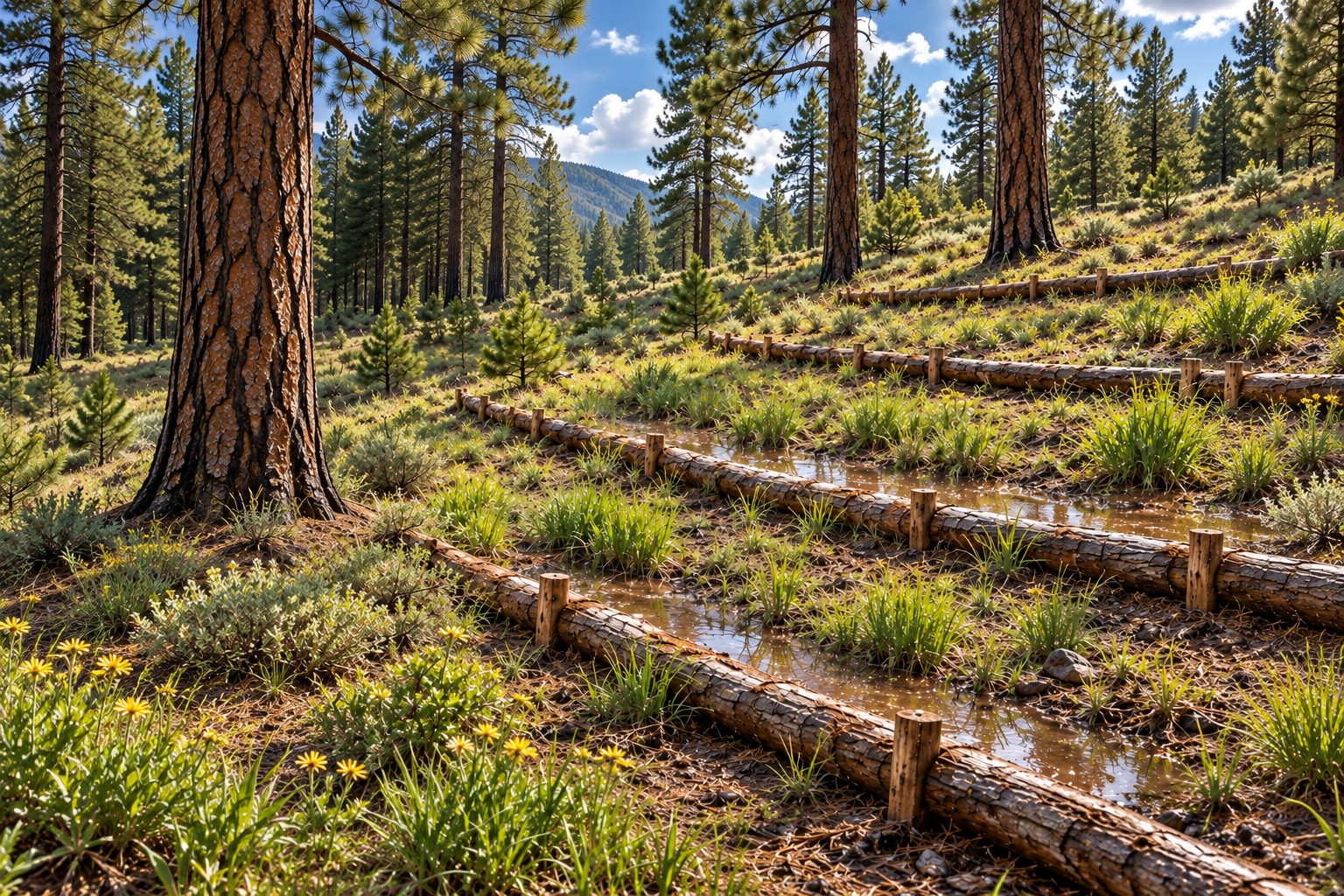
Rainfall capture landscaping
The goal is simple: keep more of each storm working inside the landscape instead of allowing it to leave as fast-moving runoff. HHR uses distributed, low-profile features that fit the grade, vegetation, soils, and built environment of each property.
Identify roof water, driveway flow, sheet flow, snowmelt, and small drainage paths before they accelerate.
Use contour-aligned logs, rock lines, shallow swales, and armored outlets to reduce velocity and distribute flow.
Give water time to infiltrate while preserving a clear, stable overflow route for larger storms.
On sloping ground, infiltration features generally run across the hillside—approximately parallel to the contour—so downslope sheet flow meets them rather than racing alongside them. Major drainage channels are handled separately and remain able to convey overflow.
Low-disturbance field techniques
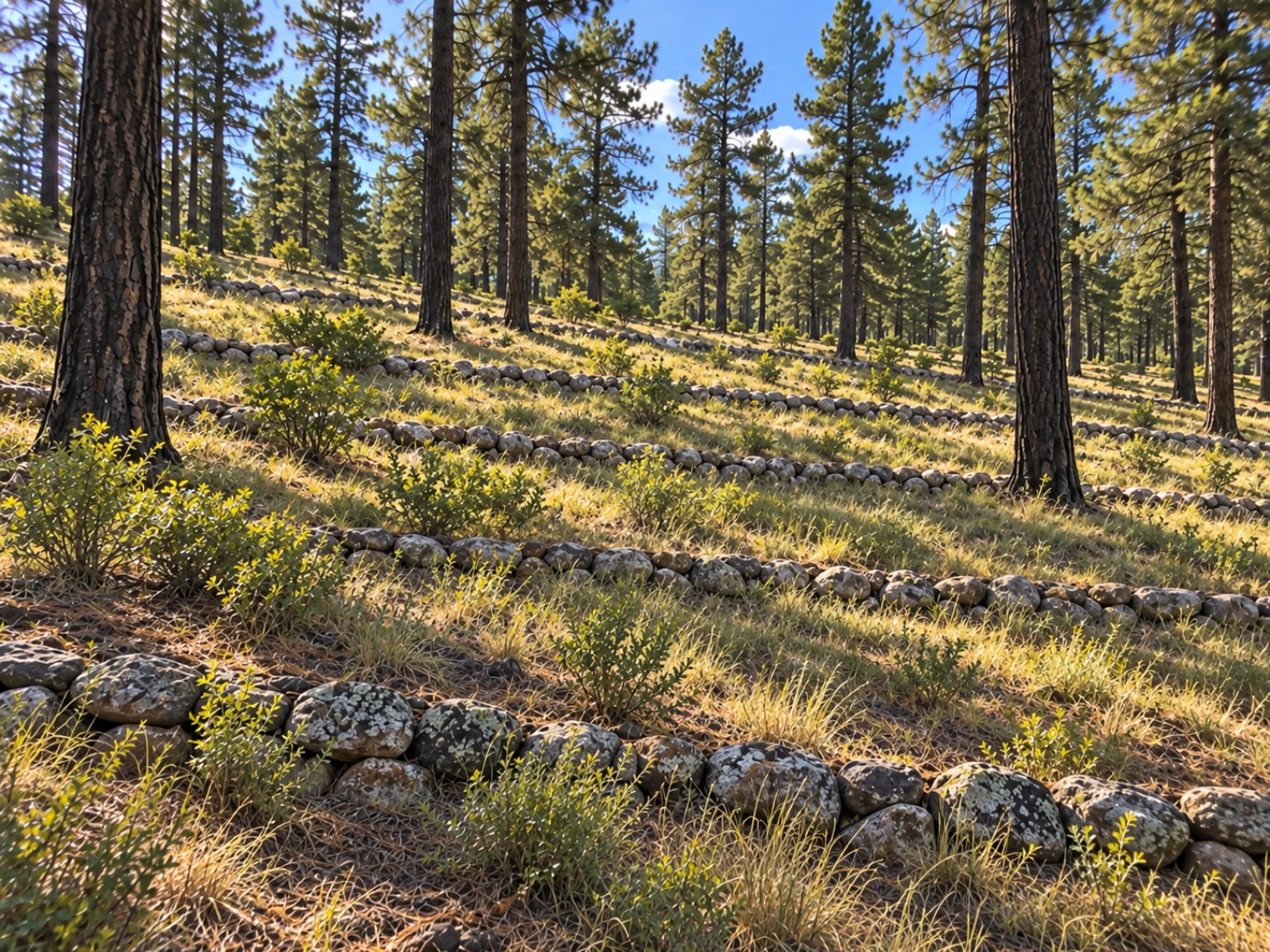
Single-layer rock lines sit at the soil surface to slow sheet flow, collect litter and sediment, and encourage infiltration without cutting bench terraces into the slope.
In appropriate open areas, shallow swales interrupt sheet flow and temporarily hold water so it can move into the soil profile rather than off the property.
Small, repeated structures can dissipate energy, catch sediment, and stabilize minor channels while preserving drainage capacity.
Proper thinning & forest management
HHR starts with what should remain. Mature legacy ponderosas, healthy younger age classes, natural groupings, access, views, and wildlife value all shape the plan. Thinning then reduces excessive competition and fuel continuity without turning a forest into a uniformly cleared landscape.
Chemical beetle treatments may have a role for selected high-value trees, but they are short-term tools. Long-term survivorship depends on reducing chronic stress through appropriate density, improved water availability, protected soil, and continued monitoring.
Structure · Access · Fuels · ForestWildfire risk mitigation
Effective mitigation breaks up the pathways that carry fire from grass and surface fuels into shrubs, young trees, mature crowns, fences, decks, and buildings. The work must become progressively more conservative near the structure while still protecting soil and reducing erosion.
Technical climbing, hazard-tree removal, rigging, and structure-sensitive tree work are coordinated with or referred to qualified tree-service partners.
Erosion & runoff control
Erosion repair begins upstream. HHR traces the source, slows the flow, stabilizes the pathway, protects exposed soil, and creates places for sediment and organic matter to settle.
Roofs, driveways, compacted surfaces, bare slopes, culverts, and natural channels.
Water bars, armored outlets, logs, rock, brush, check dams, and vegetation.
Capture sediment, establish roots, protect ground, and inspect after major storms.
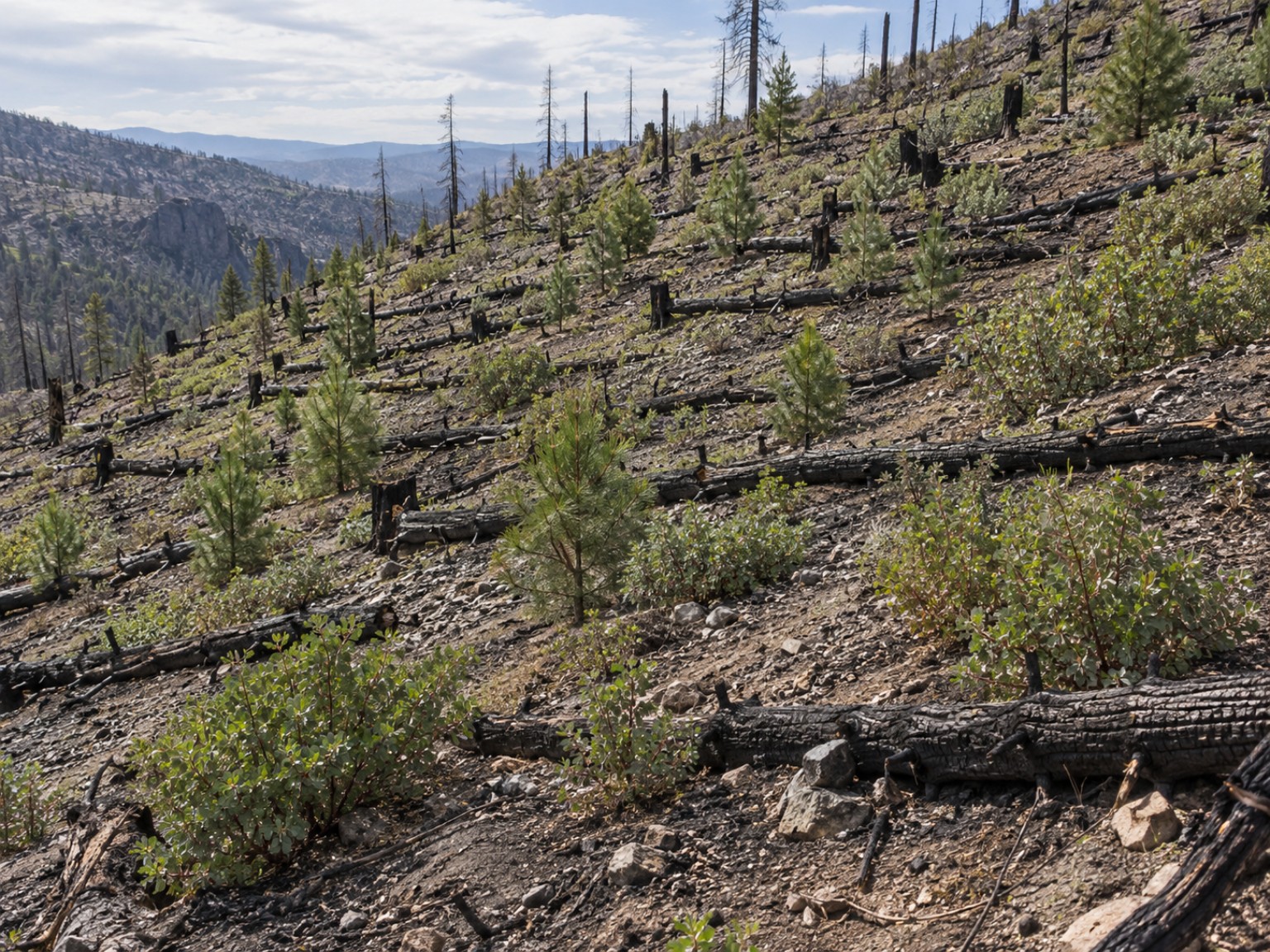
Forest restoration & replanting
Successful replanting begins with the site: remaining overstory, slope stability, post-fire runoff, available moisture, competing vegetation, browsing pressure, and the future density the land can support. Trees are placed into a functioning system—not simply inserted into disturbed soil.
From the home outward
A forested home is not separate from its slope, road, drainage, trees, or surrounding acreage. HHR connects immediate property protection with the long-term behavior of the land.
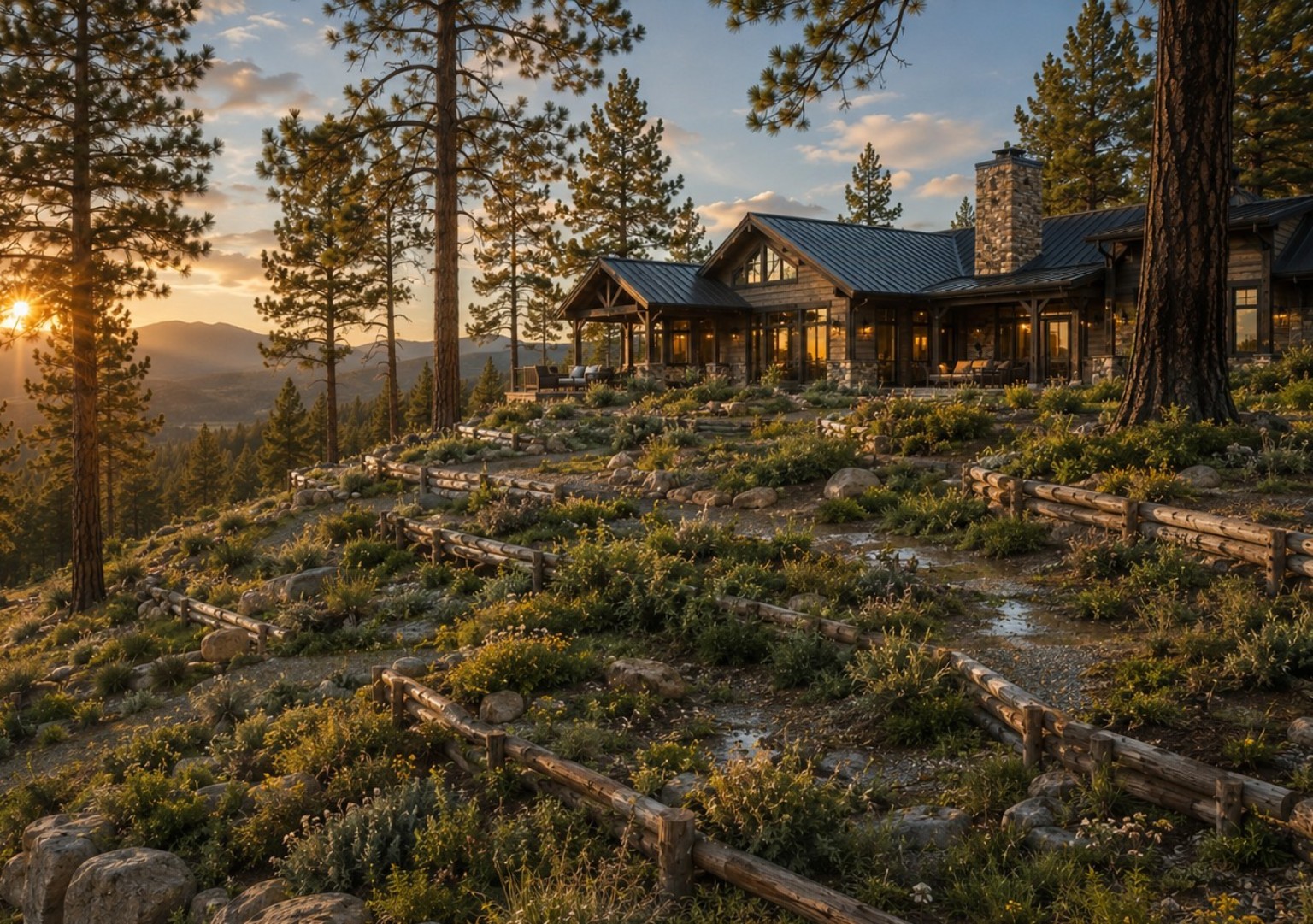
A landscape designed to endure
How HHR works
Review trees, fuels, water movement, erosion, soils, access, infrastructure, and owner goals.
Protect structures and legacy trees, correct active damage, and address the conditions driving decline.
Match the first project to the property, season, budget, and work that will deliver the most meaningful change.
Inspect performance after storms and seasons, then refine the next phase as the landscape responds.
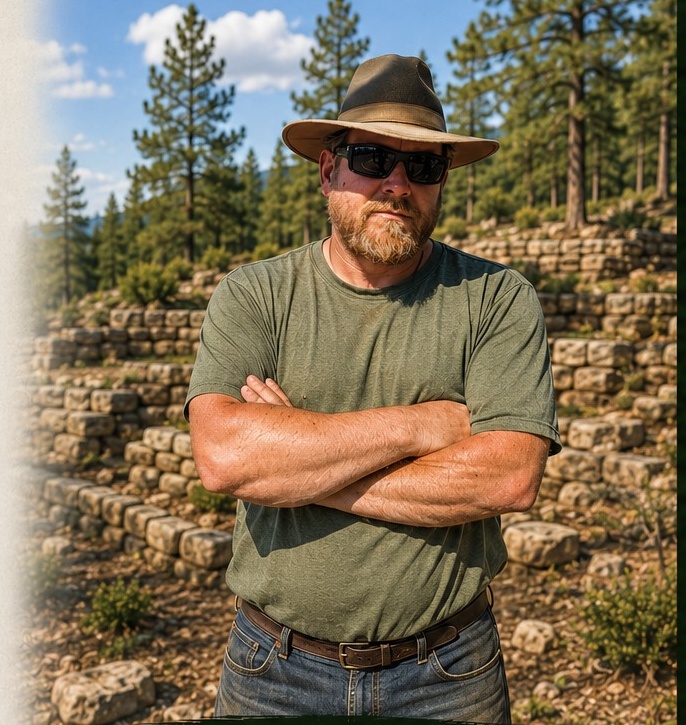
Experience grounded in the field
Dave is a lifelong naturalist and forest ecologist who attended the New York State College of Environmental Science and Forestry. He founded Heber Homestead & Ranch to help private property owners care for their land in a practical, responsible, and long-term way.
His background spans forest and ecosystem restoration, wildlife management, tree and orchard planting, permaculture design, earthwork, forestry, logging, stone and masonry work, road construction, heavy-equipment operation, and environmental compliance. That range of experience supports a whole-property view—one that connects grade, water, access, vegetation, soil, risk, and future land value.
“Protect the valuable trees and natural assets first. Then improve the water, soil, forest structure, and resilience around them.”
Common questions
HHR focuses on ecological land stewardship. Technical climbing, complex removals, rigging, and structure-sensitive tree work are coordinated with or referred to qualified tree-service specialists.
Often, no. Many HHR techniques use low-profile logs, single-layer rock lines, shallow swales, armoring, and careful routing. The right treatment depends on slope, soil, structures, drainage, and root zones.
Yes. They are often strongest when planned together: selected woody material can become safe on-site infrastructure, while the retained trees benefit from reduced competition and improved infiltration.
Yes. A phased plan can address the most urgent risks and highest-value areas first, then expand over subsequent seasons without losing the overall strategy.
Save your trees
If your property is losing trees, shedding water, eroding, carrying too much fuel, or simply not functioning the way it should, HHR can help build a practical path forward.